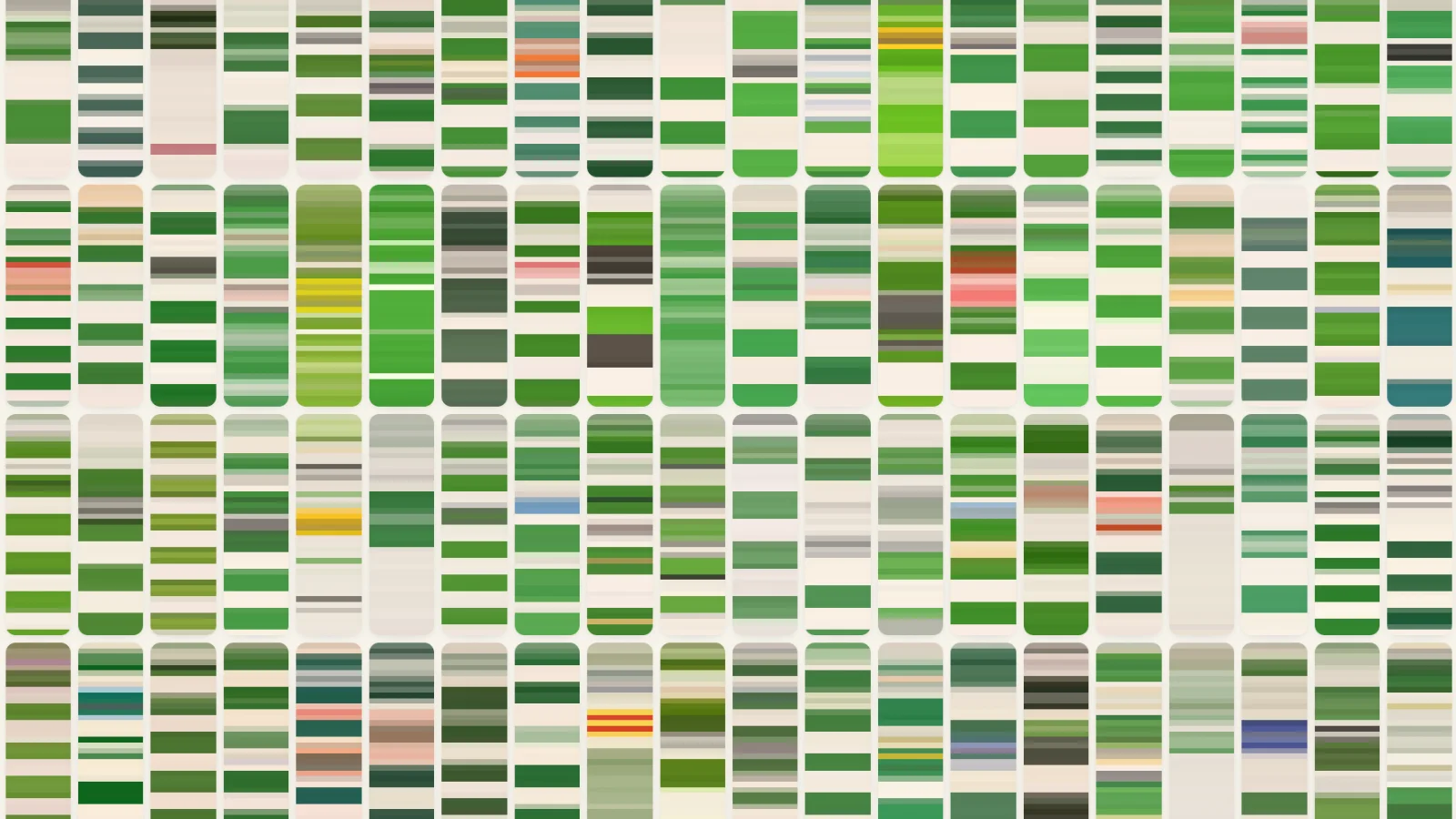
Not all green-and-white hooped shirts are the same. From a distance, they may look like part of the same family. Up close, each one has its own rhythm, era and personality. That is what I call Hoop DNA on Hoopster.
Hoop DNA is not a scientific metric. It is a simple way of reading a shirt beyond its club and season. It starts with the obvious: the number of hoops, the width of each stripe and the balance between green and white. A shirt with wide hoops feels very different from one built around thinner, repeated stripes. The Celtic Football Club 2025/26 Home, for example, has a different visual weight from the Sporting Clube de Portugal 1988/89 Home.
Then come the details: collar, sleeves, sponsor, crest, manufacturer and cut. A shirt made by Adidas reads differently from one made by Hummel, even when both follow the same horizontal-stripe logic.
The club also matters. For Celtic Football Club, hoops are pure identity. For Sporting Clube de Portugal, they are memory, tradition and belonging. For other clubs, they can appear as an alternative, a tribute or a visual experiment.
That is why Hoopster is not just a shirt collection. It is an archive of patterns, contexts and small differences. Each piece enters the collection with its own story, but also with its own visual DNA.
In the end, reading a hooped shirt means understanding how two simple colours can tell completely different stories.